

I blocked two hours on the calendar and told my team we were going to build something. No deck. No vendor. Just me sharing my screen while we figured out what an AI agent could actually do for us. I called it a hackathon. By the end, we had something real.
Most AI enablement at work is a lunch-and-learn with a lot of “coming soon,” or a vendor demo where everything works perfectly and nothing looks like your actual problems. People leave those sessions having watched something happen to someone else. That’s a different experience than being in the room when a thing gets made.

What happened in our session was different, and I didn’t plan it that way. I was building live. When something broke, they watched me debug it. When I wasn’t sure which direction to go, I asked the group. Their questions weren’t softballs. They pushed on things I hadn’t thought through. One person asked something that completely reframed what the agent should actually do. We changed course mid-build because of it. That’s what made it work.
When AI stays only in demos and decks, the people closest to the actual work never develop a feel for what it can do. They wait to be told what to do with the thing. In HR, that has real consequences. We have data problems, process problems, capacity problems. Priorities sitting in a slide deck that nobody has time to fully address. If the people on the team who understand those problems intimately never get close enough to AI to imagine a solution, we leave the gap open.
Building in front of people feels vulnerable. Something might not work. The demo might fail. Most leaders default to presenting things that are already polished because polished things protect credibility. That instinct costs something. When you only show people finished products, you accidentally communicate that building is beyond them. You create an expert-audience dynamic instead of a collaborative one. And you miss the chance to find out that someone on your team will ask the question that makes the whole thing better.
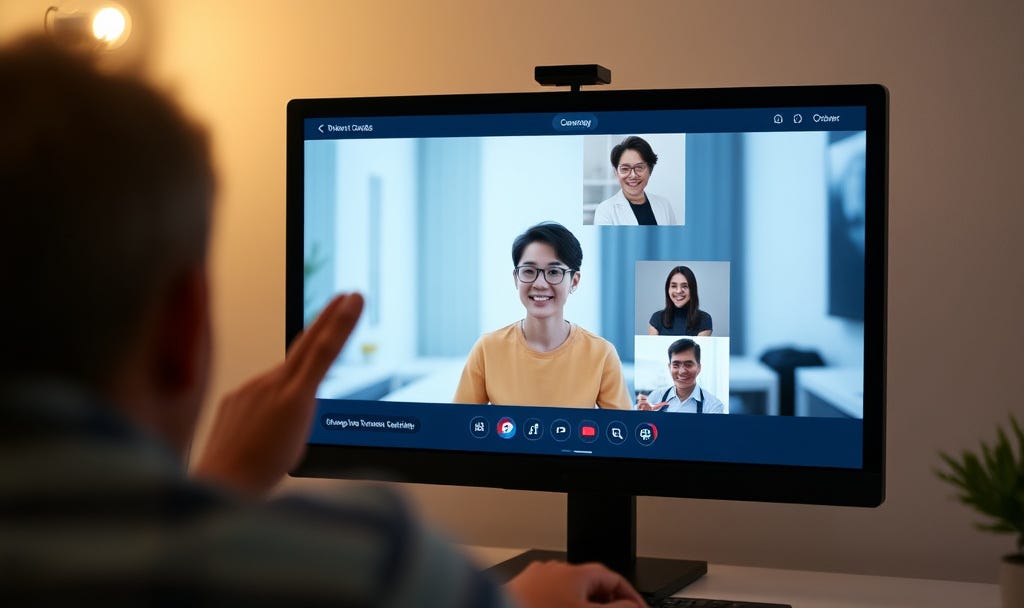
Share the screen. Build something you actually need. Pick one real problem your team is sitting on, something tied to actual work and actual priorities, then build toward it out loud, with them in the room. Let them steer. Let them see you figure it out in real time.
When the session ends, you’ll have something real. And a team that was part of making it. That changes how they relate to the tool.